
Built to Last: The Longevity and Maintenance of Metal Sign Posts
One of the greatest advantages of metal sign posts is their remarkable lifespan. A galvanized steel post is not a short-term installation; it is an asset expected to endure for generations. But what engineering principles guarantee this longevity, and what level of upkeep is actually required?

The 50-Year Promise
Manufacturers and transportation authorities confidently assert that galvanized steel posts have an average life expectancy of 40 to 60 years. This durability stems from the hot-dip galvanization process, wherein the steel is immersed in a bath of molten zinc. The resulting zinc coating acts as a sacrificial anode—it corrodes at an intentionally slow and steady rate, electrochemically protecting the underlying steel even if the surface is scratched or nicked. As one industry source observes, "the zinc coating on the galvanized steel post corrodes at a very slow rate."
In particularly corrosive environments, aluminum posts offer comparable longevity. Aluminum naturally forms a tenacious, transparent oxide layer upon exposure to air, rendering the material virtually rust-proof without the need for additional coatings.
Warranty Standards and Real-World Expectations
To provide a baseline for performance, government specifications often mandate minimum warranty periods. Some municipal councils, for example, require a 10-year warranty for galvanized posts. However, the actual service life of the asset is projected to be significantly longer, typically ranging from 10 to 25 years in harsh conditions and up to half a century in more temperate climates.
Maintenance: A Largely Hands-Off Affair
Thanks to the robustness of these protective mechanisms, metal sign posts are largely maintenance-free. Nevertheless, periodic inspections remain a crucial component of asset management. Maintenance crews should adhere to a checklist that includes the following:
Check for Leaning: A post that is no longer plumb may indicate ground shifting, foundation failure, or the activation of a slip base mechanism.
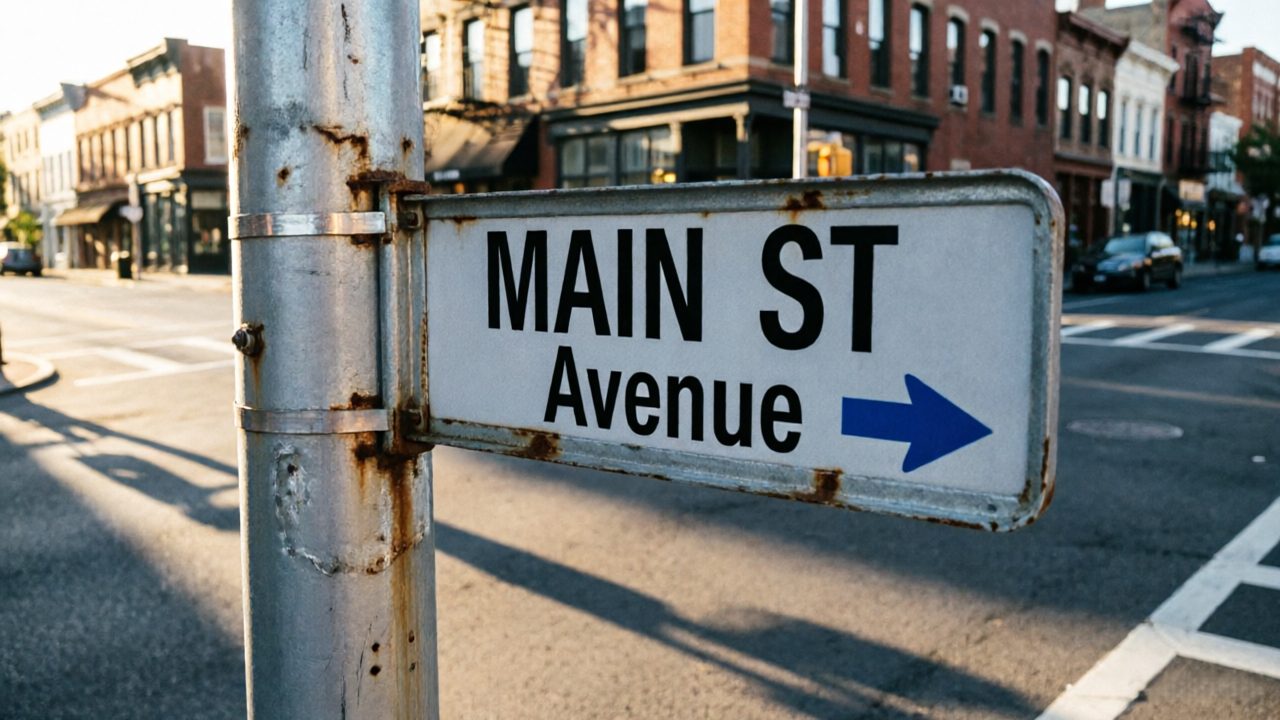
Inspect for Mechanical Damage: Crews should look for deep gouges, dents from vehicle strikes, or localized corrosion that has penetrated the zinc layer to expose the raw steel.
Replace Compromised Hardware: Rusted nuts, bolts, and washers should be replaced promptly, as they can weaken the structural connection between the sign panel and the post.
The Sustainability Factor
When a metal post finally reaches the end of its functional life, it remains a valuable resource. Both steel and aluminum are infinitely recyclable; they can be melted down and reformed into new products with no degradation of their inherent properties. This high degree of recyclability contrasts starkly with composite or plastic materials, underscoring metal's critical role in a circular economy.
It is worth noting, however, that the production of metal does carry an environmental footprint. Innovators are currently exploring renewable alternatives—such as engineered bamboo—to mitigate this impact. While a bamboo sign might save over 20 kg of CO₂ emissions compared to an aluminum counterpart, the debate between renewable sourcing and long-term durability is ongoing.
For the present moment, if the goal is to install a sign once and trust it to stand sentry for half a century, hot-dip galvanized steel remains the undisputed gold standard.
Communication With Customers From the Heart, We Can Do Better! e-mail: jinshi@wiremeshsupplier.com
Hebei jinshi industrial metal co., ltd