
The Anatomy of a Sign Post: The Overlooked Engineering Behind Every Roadside Sign
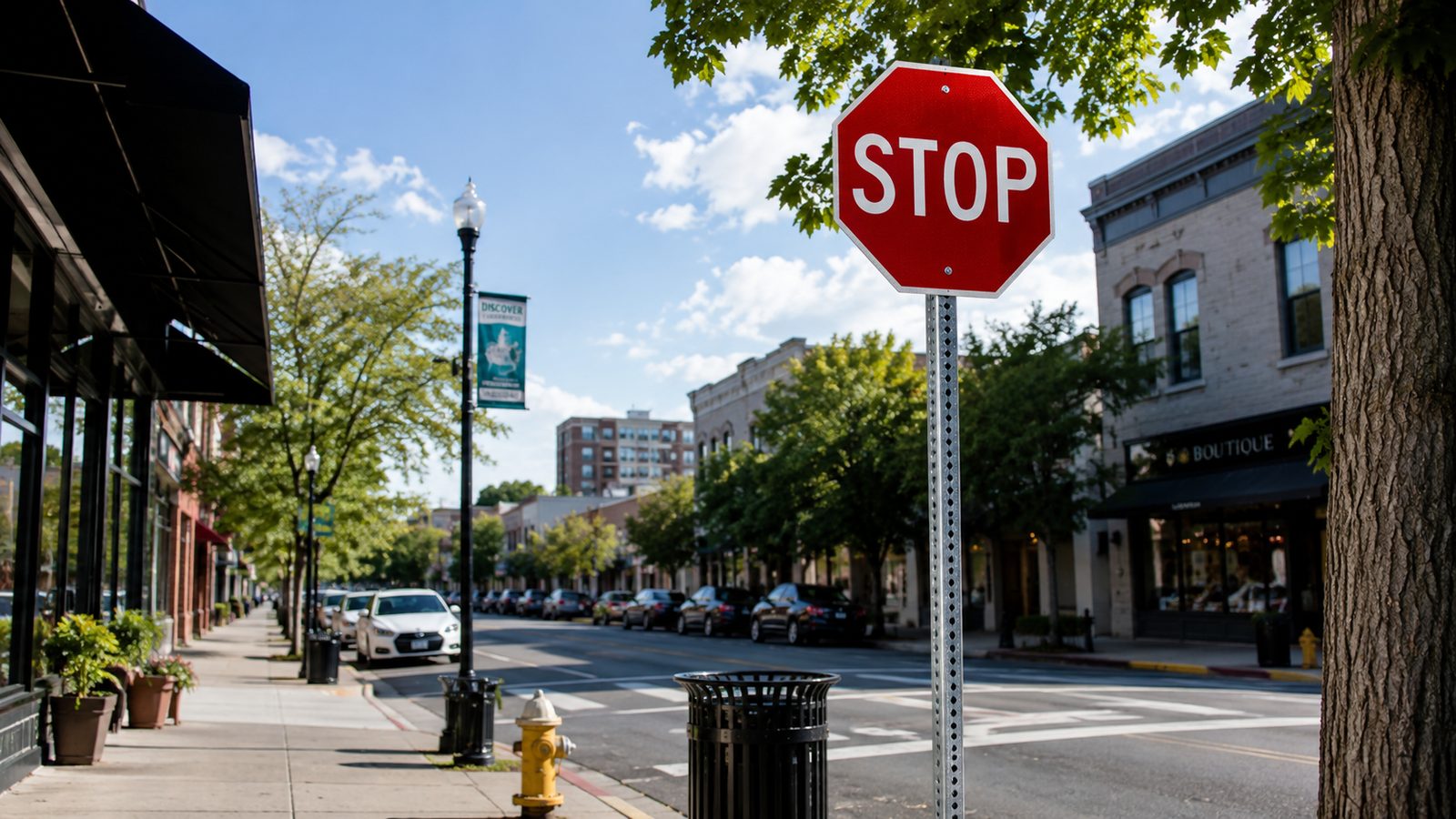
Every day, drivers glance at millions of roadside signs without a second thought for what holds them up. Yet the sign post beneath a stop sign or speed-limit placard is a carefully engineered assembly, not a simple stick in the ground. Understanding its parts reveals why this humble piece of infrastructure is one of the most quietly sophisticated products in civil engineering.
At its core, a sign post is a vertical structural member, almost always cold-formed or hot-rolled steel, though aluminum, wood, and composite materials are used in specific settings. The post's cross-section — commonly a U-channel, square tube, or round pipe — is chosen to balance strength, weight, and cost while meeting a set of national or regional performance standards.
Below ground, the post connects to a foundation system. This may be as simple as the post driven directly into soil, or as complex as a slip-base anchor set in a concrete footing. The junction between the above-ground post and the below-ground anchor is arguably the most engineered part of the whole system, because it usually must break away cleanly if struck by a vehicle, a feature explored later in this series.
Above ground, the post carries mounting hardware: bolts, brackets, and pre-punched holes spaced at fixed intervals so the sign panel can be fastened at a code-compliant height. In North American practice, holes are typically spaced every inch, letting installers adjust mounting height on-site without cutting the post. Bolts are often fitted with breakaway nuts or washers designed to shear at a specific force, adding a secondary layer of crash safety distinct from the base connection.
A finish coating, most often hot-dip galvanized zinc or a baked enamel or powder coat, protects the exposed steel from corrosion for decades outdoors. This finish is applied after the post is roll-formed and punched, since coating after fabrication ensures protection reaches cut edges and drilled holes.
Finally, the entire assembly must be sized to withstand wind loading against the sign panel it supports, a factor that grows with sign area and regional wind-speed data used by transportation agencies.
What appears from the roadway to be a single steel pole is therefore the product of decisions in materials science, structural engineering, corrosion chemistry, and crash-safety research. Each article in this series examines one of those decisions in depth, from the physics of wind load to the international agreements that standardize what a stop sign looks like from Toronto to Tokyo. Together, they show that the sign post, one of the least glamorous objects on the roadside, is also one of the most thoroughly engineered.
Communication With Customers From the Heart, We Can Do Better! e-mail: jinshi@wiremeshsupplier.com
Hebei jinshi industrial metal co., ltd